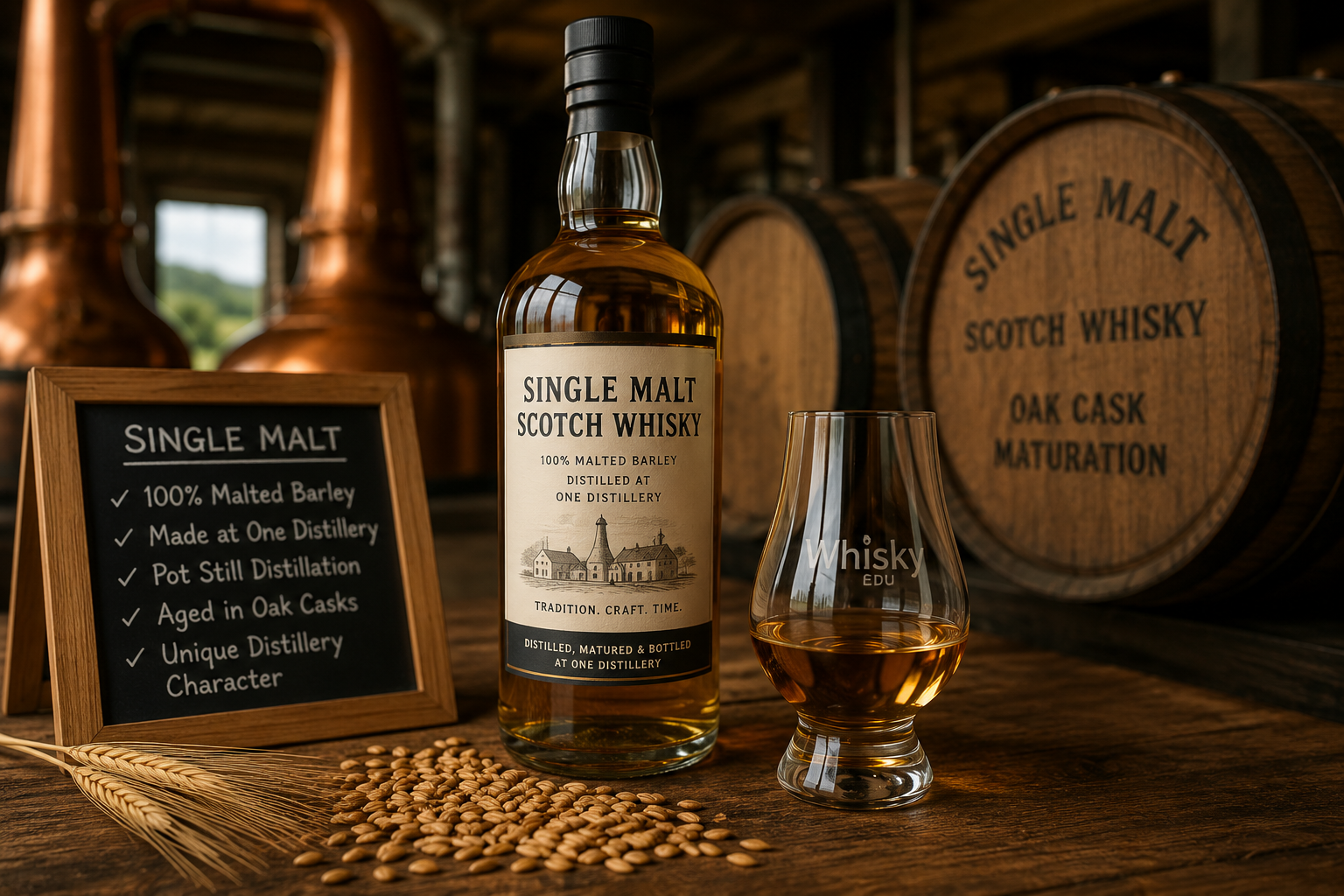
Single malt whisky is one of the most recognized and respected styles in the whisky world. Although the name may sound technical, it simply describes how the whisky was made, what grain was used, and where it was produced.
Understanding what “single malt” means helps you read whisky labels with confidence and appreciate the craftsmanship behind every bottle.
What Does “Single Malt” Mean?
The term single malt has two important parts.
Single means the whisky was produced at one distillery. It does not mean it came from one barrel or one batch. Most single malt whiskies are carefully blended from several casks, as long as every cask comes from the same distillery.
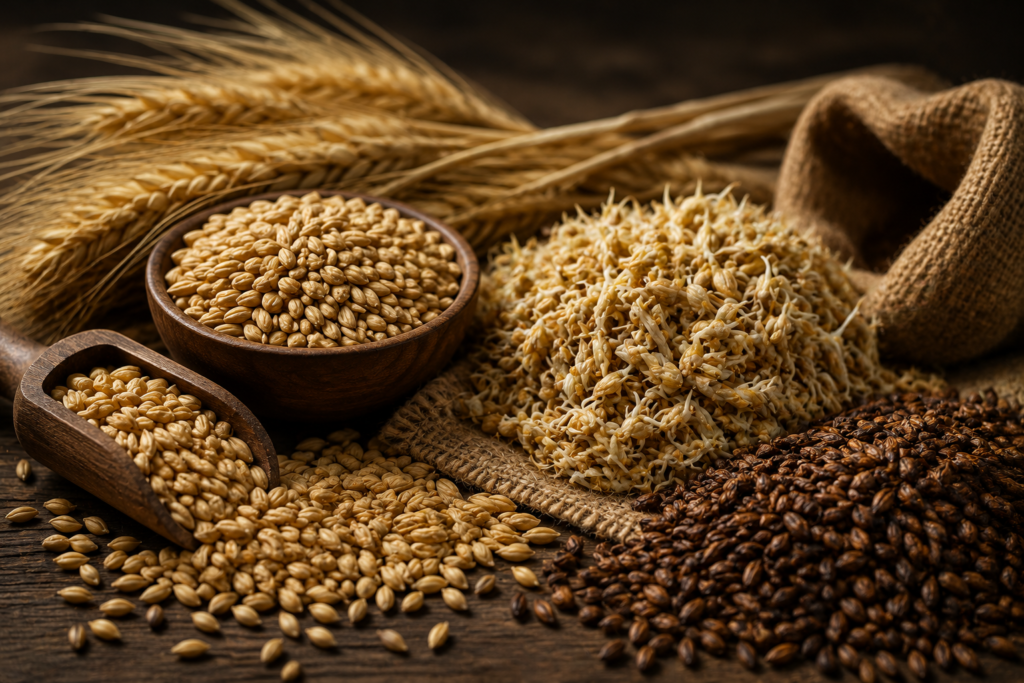
Malt means the whisky is made entirely from malted barley, the traditional grain used for producing single malt Scotch whisky. During malting, the barley begins to germinate before being dried, allowing natural enzymes to convert starch into fermentable sugars.
Together, the term tells you the whisky was made from 100% malted barley at a single distillery.
One Distillery, Many Casks
Many people believe that “single” means a whisky comes from a single barrel, but that is a common misconception.
Most single malt whiskies are created by marrying whisky from several carefully selected casks. Master blenders combine barrels with different characteristics to achieve a balanced and consistent flavor profile.
Some releases, however, are labeled Single Cask or Single Barrel, meaning they come from one individual cask without blending.
Why Malted Barley?
Barley naturally contains starch, but yeast cannot ferment starch directly into alcohol.
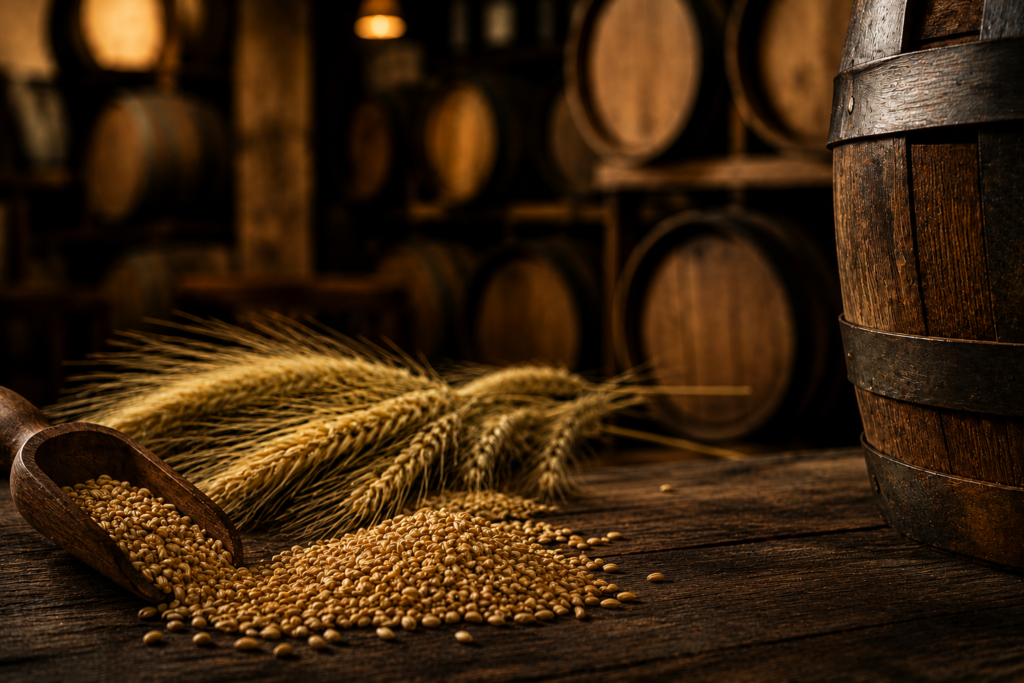
During malting, barley is soaked in water and allowed to germinate. This activates enzymes that convert starch into fermentable sugars. The barley is then dried to stop the germination process before being milled and mashed.
Besides producing sugar for fermentation, malting also contributes flavors such as fresh cereal, biscuits, toasted bread, and light nuttiness that become part of the finished whisky.
How Single Malt Whisky Is Made
The barley is soaked, germinated, and dried. Some distilleries dry the barley using peat smoke, creating smoky aromas in the final whisky.
The malted barley is ground into grist and mixed with hot water. The natural enzymes convert starch into sugar, producing a sweet liquid called wort.
Yeast is added to the wort, converting sugar into alcohol while creating many of the fruity, floral, and spicy flavors that develop later in the whisky.
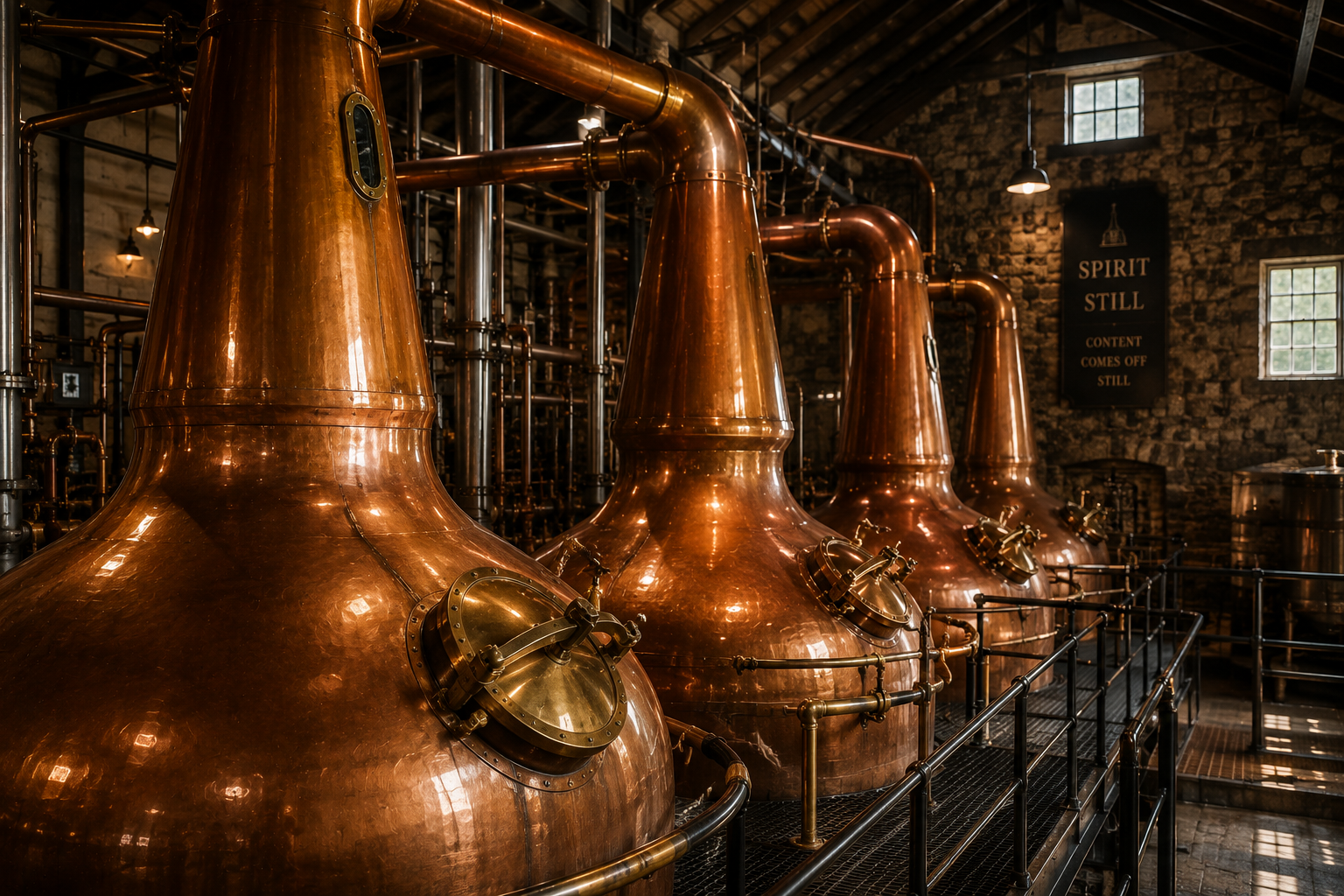
The fermented liquid is distilled in copper pot stills. Careful distillation concentrates desirable aromas while removing unwanted compounds, helping define the whisky’s character.
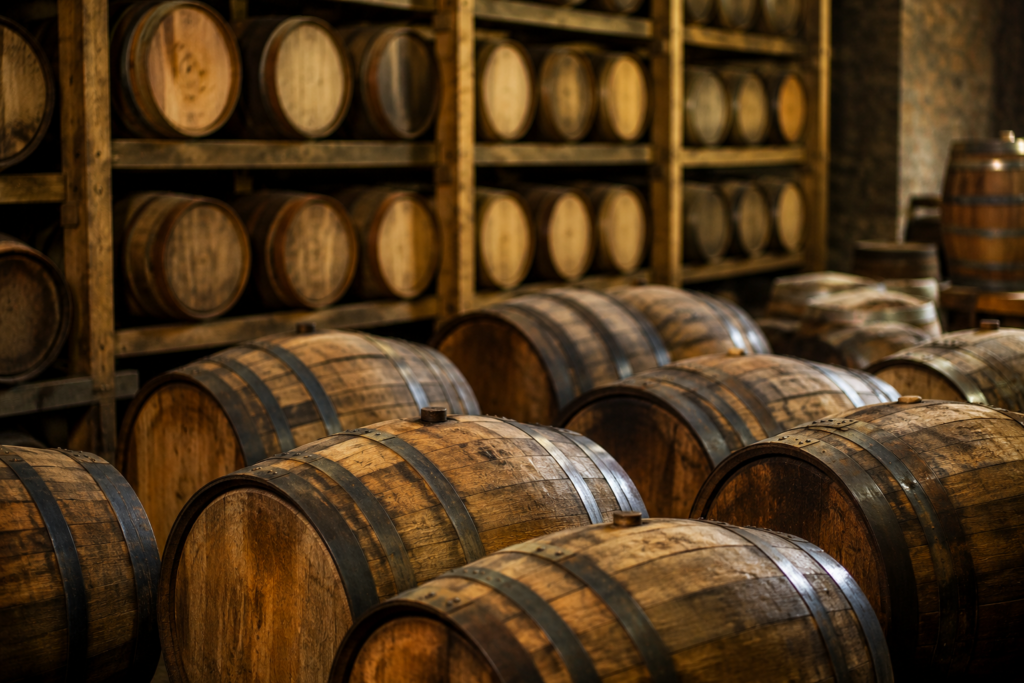
The new spirit is filled into oak casks where it matures for years. During this time it develops color, aroma, texture, and complexity while absorbing flavors from the wood.
Once maturation is complete, selected casks are combined and bottled. Some whiskies are reduced with water before bottling, while others are released at full cask strength.
What Shapes the Flavor?
Many factors influence the final character of a single malt whisky, including:
- The barley variety
- The malting process
- Peat level
- Fermentation time
- Still shape and size
- Distillation technique
- Oak cask type
- Previous cask contents
- Warehouse environment
- Years of maturation
- Bottling strength
Every production decision contributes to the whisky’s unique personality.
Common Single Malt Flavor Profiles
Depending on production and maturation, single malt whiskies may display flavors such as:
- Apple, pear, citrus, and tropical fruits
- Honey, vanilla, and caramel
- Toasted malt and biscuits
- Chocolate and dried fruits
- Baking spices
- Nuts
- Oak
- Sea salt
- Light smoke or bold peat
How to Explore Single Malt Whisky
One of the best ways to understand single malt whisky is by comparing different styles side by side.
As you taste, ask yourself:
- Is it fruity or rich?
- Is there smoke?
- What flavors appear first?
- How long does the finish last?
- Which style do I enjoy most?
- What is the bottling ABV?
- Where was it matured?
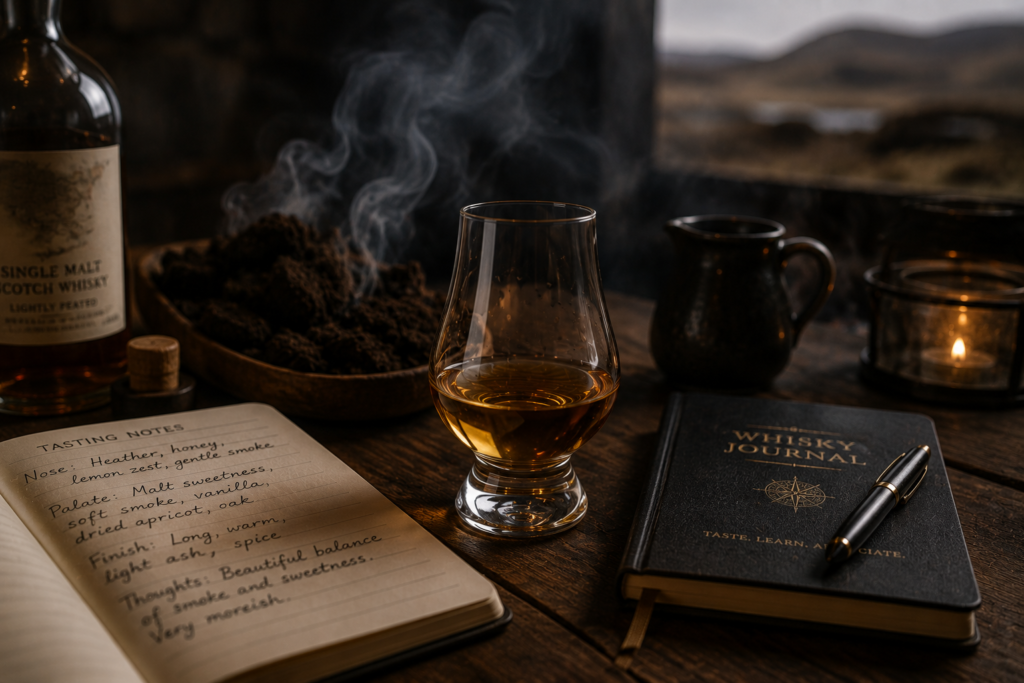
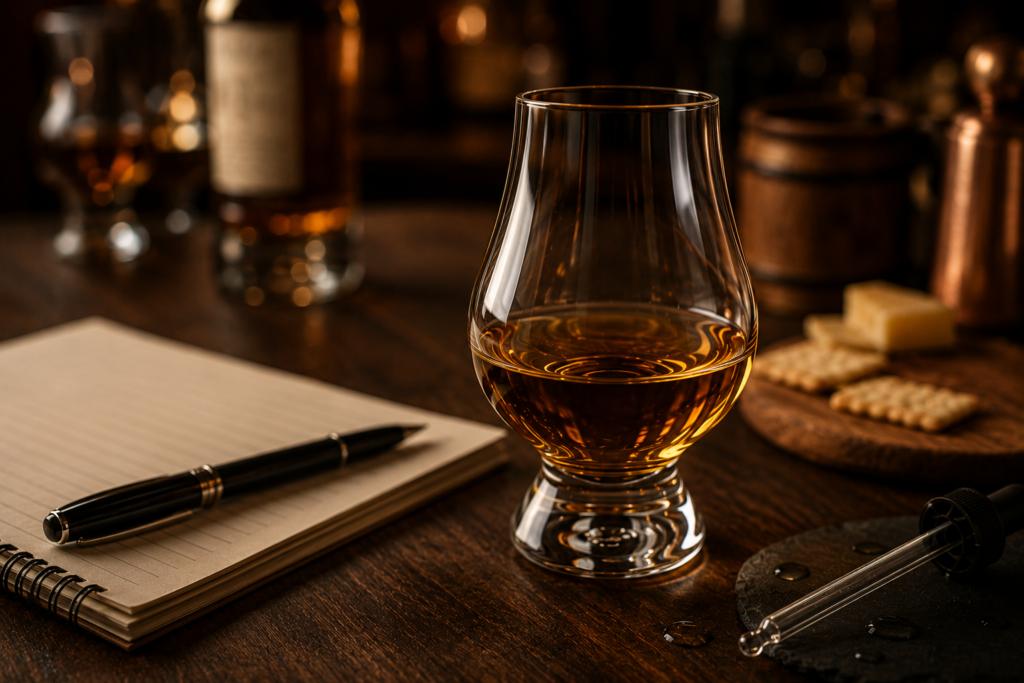
Keeping tasting notes helps you develop your palate and recognize the production choices that shape each whisky.
Whisky EDU Tip
The words Single Malt describe how the whisky was made, not how it will taste.
Two single malt whiskies can be completely different depending on their ingredients, production methods, cask selection, and years of maturation. Rather than focusing only on the label, pay attention to the aromas, flavors, and textures that make each whisky unique.